If you own a pre-1940 home in Seattle or Tacoma, there's a good chance the warm, amber floors under your rugs are old-growth vertical-grain Douglas fir. Douglas fir floor refinishing across Seattle and Tacoma is its own craft, separate from sanding oak, because fir is a softwood with limited material to give. Done right, a refinish brings a century-old floor back to life. Done with a heavy hand, it can leave drum marks and gouges you can't undo. We've spent 15-plus years restoring these floors throughout the Puget Sound, and below is what we've learned about doing it carefully.
Why Puget Sound homes have fir, not oak
When Seattle and Tacoma were building out their Craftsman bungalows, Foursquares, and early cottages in the early 1900s, Douglas fir was the wood right outside the door. The Pacific Northwest's vast old-growth forests gave builders a near-endless supply of strong, knot-free lumber, and mills built an entire market around it. Where homes in the Midwest and East got oak, ours got fir. It was strong, attractive, lightweight, and local, which made it the all-purpose wood for floors, trim, and millwork through the first half of the 20th century.
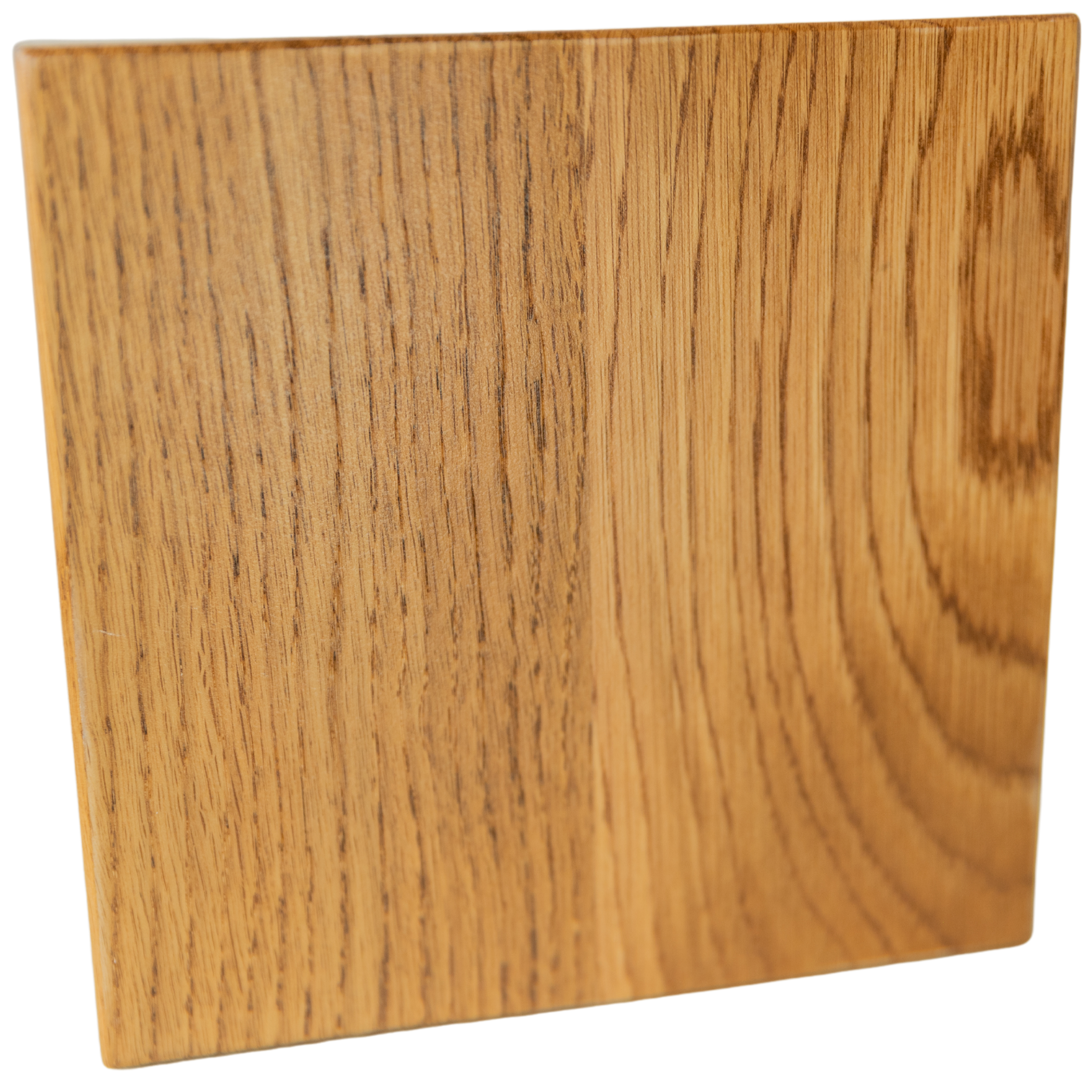
The good stuff was cut as clear vertical grain, often called CVG or VG fir. Quarter-sawing the log so the growth rings run nearly perpendicular to the face produces those tight, pinstripe-straight grain lines, and it makes the board far more stable. Vertical-grain boards expand and contract less with the season, which matters a great deal in our damp, swing-prone Northwest climate. That's why so much of it has survived a hundred-plus winters underfoot.
Fir is soft, and that changes everything
Here's the single most important fact about your floors: Douglas fir is a good deal softer than oak. On the Janka hardness scale, which measures a wood's resistance to denting, Douglas fir comes in around 620, while red oak sits near 1,220 and white oak around 1,350. In plain terms, fir is roughly half as hard as the oak most refinishers cut their teeth on. It dents under dropped pans and furniture legs, and it shows the life of a household more readily.
Softness is also exactly why an inexperienced sander can ruin a fir floor in an afternoon. A drum sander loaded with coarse paper, left to dwell a half-second too long or tipped at the wrong angle, will dig waves and chatter marks straight into soft fir that you would never get on dense oak. Those gouges and drum swirls don't hide under finish, and on a soft wood they're hard to sand back out without taking even more material. Fir demands a lighter touch and a slower pass.
Why these floors can't simply be replaced
When people ask whether they should just cover a worn fir floor or tear it out, our answer is almost always: restore it. The old-growth fir in your home grew slowly over centuries, which is what gave it that dense, tight vertical grain. New fir milled today comes from fast-grown second- and third-growth trees with wider, looser grain that simply doesn't match. You can buy reclaimed old-growth fir, but it's costly and you'd be replacing something that's already in your floor, intact, for the price of a careful refinish.
There's also the character. The amber-to-honey color fir develops as it ages, the fine grain lines, the way light moves across it. That patina is part of why buyers in the Seattle and Tacoma market pay a premium for original-detail Craftsman homes. Pulling up an original fir floor to install a modern engineered product usually subtracts from a historic home rather than adding to it.
A maintenance coat beats a full sand more often than you'd think
Because fir has so little material to spare, the most protective thing we can do is sand it as few times as possible over its life. If your floor's finish is worn but the wood underneath is sound, with no deep gouges, gray weathering, or bare patches, a screen-and-recoat (sometimes called a maintenance coat) is often the right call. We lightly abrade the existing finish and lay down a fresh protective coat without ever touching the wood with aggressive grit. It refreshes the floor, buys years of protection, and saves the limited material for when a true sand is genuinely needed.
- A maintenance coat works when the finish is dull or lightly scratched but the wood is intact.
- A full sand is warranted when there's bare wood, deep scratches reaching the fir, water damage, or color you want fully reset.
- We always assess in person, because reading the wear correctly is what keeps a fir floor in service for generations.
If you stain fir, do it carefully
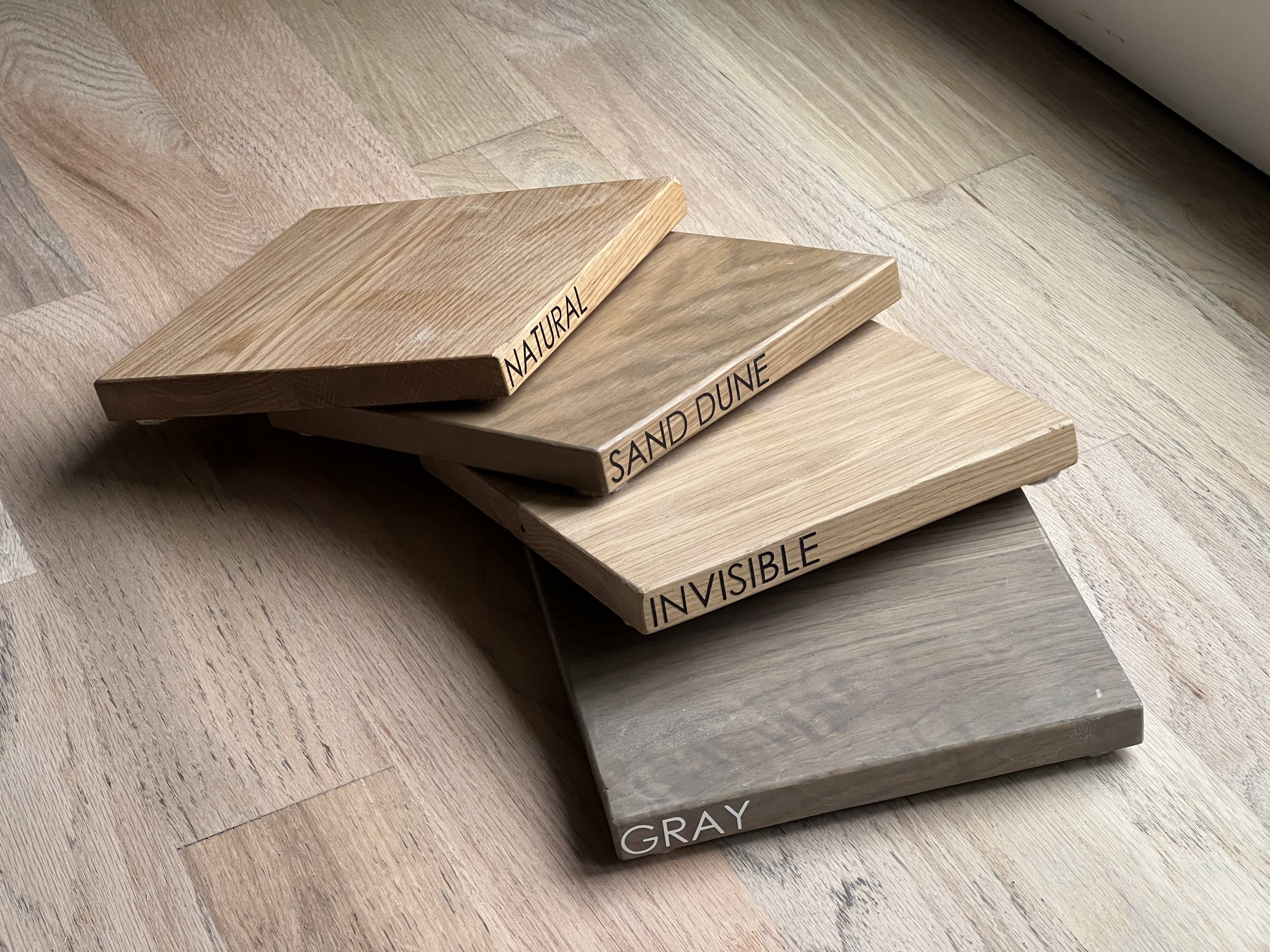
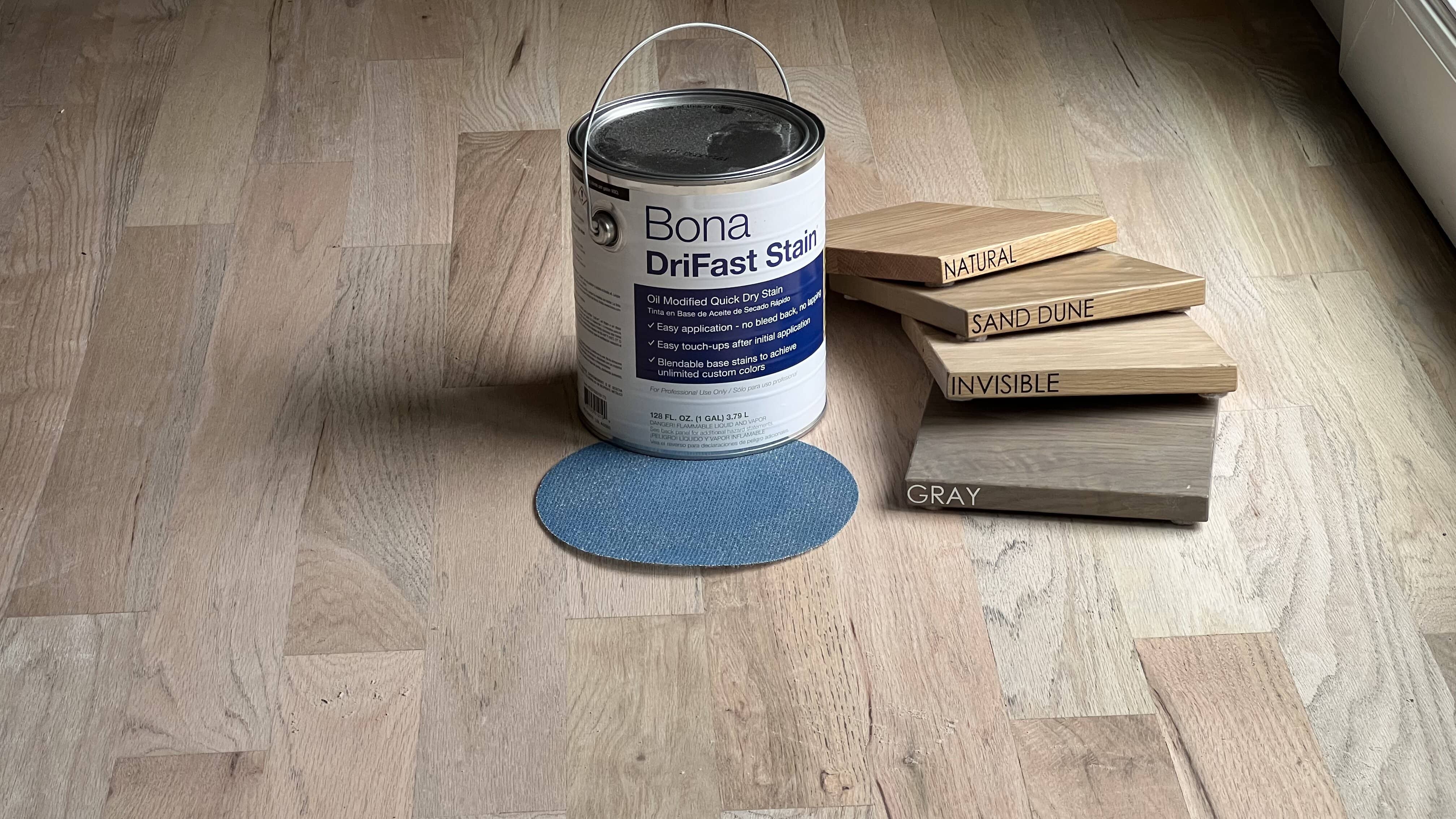
Many owners love the natural amber tone of fir and skip stain entirely, and honestly that's often the best look. But if you want to go darker or shift the color, know that fir is one of the trickier woods to stain evenly. It's resinous, and that resin is distributed unevenly through the board, so raw stain tends to drink in fast in some spots and resist in others. The result is blotching and speckling. The fix is a pre-stain conditioner applied before any color, which evens out how the wood absorbs stain. On thirsty old fir we'll often condition more than once. We strongly recommend testing color on an inconspicuous area first, because fir rarely takes a given stain the way an oak sample chip suggests it will.
"We treat every fir floor like it's the last of its kind, because in a real sense it is. You can't go to a lumberyard and buy back a century of slow growth."
Restore it once, the right way
A well-restored old-growth fir floor will outlast any of us, but only if it's handled by someone who respects how soft and finite it is. Refinishing is typically a fraction of the cost of replacement, and on a fir floor it preserves something you genuinely cannot buy new. If you've got original fir in a Seattle or Tacoma Craftsman and you're wondering whether it needs a full sand or just a recoat, we're glad to come look and give you a straight answer. Reach out for a free estimate and we'll tell you honestly what your floor needs.
Frequently Asked Questions
Fir tends to be warm amber to honey-colored with fine, tight, pinstripe-straight grain lines, while oak is more open-grained with visible pores and a coarser figure. Fir also dents more easily, so you'll often see more wear in high-traffic paths. If your Seattle or Tacoma home was built before 1940, fir is the most likely answer, but we can confirm it on a quick visit.
Fewer times than a thicker oak floor, because fir is soft and old boards have already lost material to past sandings. There's no fixed number; it depends entirely on remaining wood thickness above the tongue. That's exactly why we favor maintenance recoats over full sands whenever the wood is still sound, to stretch the floor's life as far as possible.
Almost never, if the original boards are sound. Old-growth fir has tight, slow-growth grain that new lumber can't match, and reclaimed fir is expensive. Refinishing is typically a fraction of replacement cost and keeps the irreplaceable original wood and character that adds value to a historic Puget Sound home. We'll give you an honest assessment before recommending any replacement.
Douglas fir is resinous, and the resin is spread unevenly through the board, so stain soaks in fast in some spots and resists in others, leaving blotches. A pre-stain conditioner applied before color evens out absorption and greatly reduces blotching. We test color on a hidden area first, because fir often takes stain very differently than a sample chip suggests.
Fir is roughly half as hard as oak on the Janka scale, so an aggressive drum sander can dig gouges, waves, and chatter marks into it that you'd never get on dense oak, and those marks are hard to remove without taking even more of the limited old-growth material. We sand slower, lighter, and only as much as the floor truly needs.
Yes. We restore old-growth fir floors across King County and Pierce County, including Ballard, Wallingford, Queen Anne, and the Central District in Seattle, and the North End and Proctor District in Tacoma, plus the surrounding Puget Sound communities. Contact us for a free in-home estimate and we'll assess whether your floor needs a recoat or a full refinish.